
Pregnancy

An Overview of the Human Gestational Period

Pregnancy is the dynamic biological process by which a new human life develops within the uterus, beginning with fertilization and continuing through implantation, embryonic and fetal development, and culminating in birth. Over approximately forty weeks, a single fertilized egg transforms through precisely timed cellular, genetic, and hormonal interactions into a fully formed infant. This intricate process depends on the coordinated function of maternal, placental, and fetal systems, reflecting one of nature’s most complex and finely regulated examples of growth, adaptation, and interdependence.
Gestational length: ~40 weeks (measured from first day of last menstrual period, LMP)
Developmental stages: Zygote → Blastocyst → Embryo → Fetus → Newborn
Trimesters: 1st Trimester: Weeks 1–12, 2nd Trimester: Weeks 13–27, 3rd Trimester: Weeks 28–40
Full Term: 37–40 weeks (with 39–40 being “full term,” 37–38 “early term”)
First Trimester (Weeks 1–12): Conception and Organ Formation
Weeks 1–2: Preconception / Ovulation
Not yet pregnant; medical timing begins at LMP.
Ovulation typically occurs near the end of week 2.
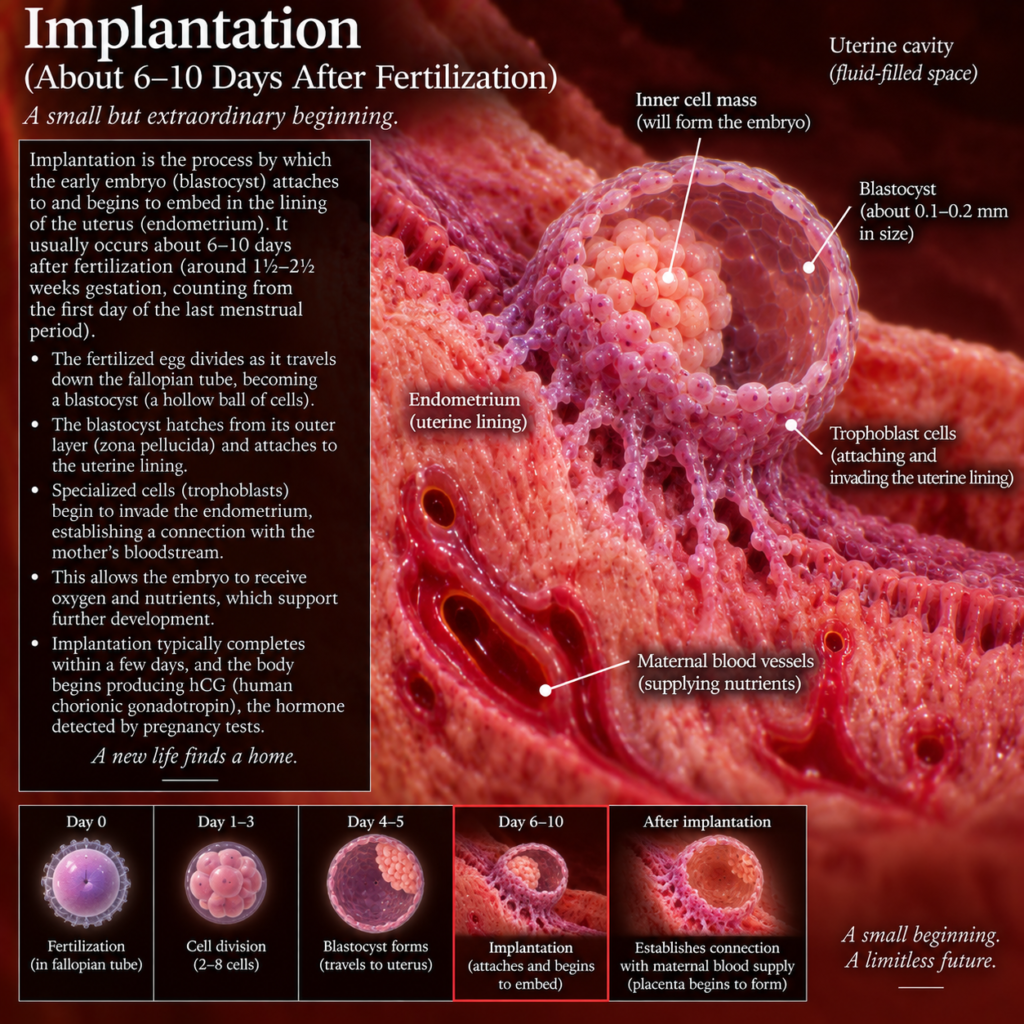
Week 3: Fertilization
Sperm fertilizes egg → zygote forms (one-cell organism with unique DNA).
Rapid mitotic division (cleavage) begins.
Travels down fallopian tube.
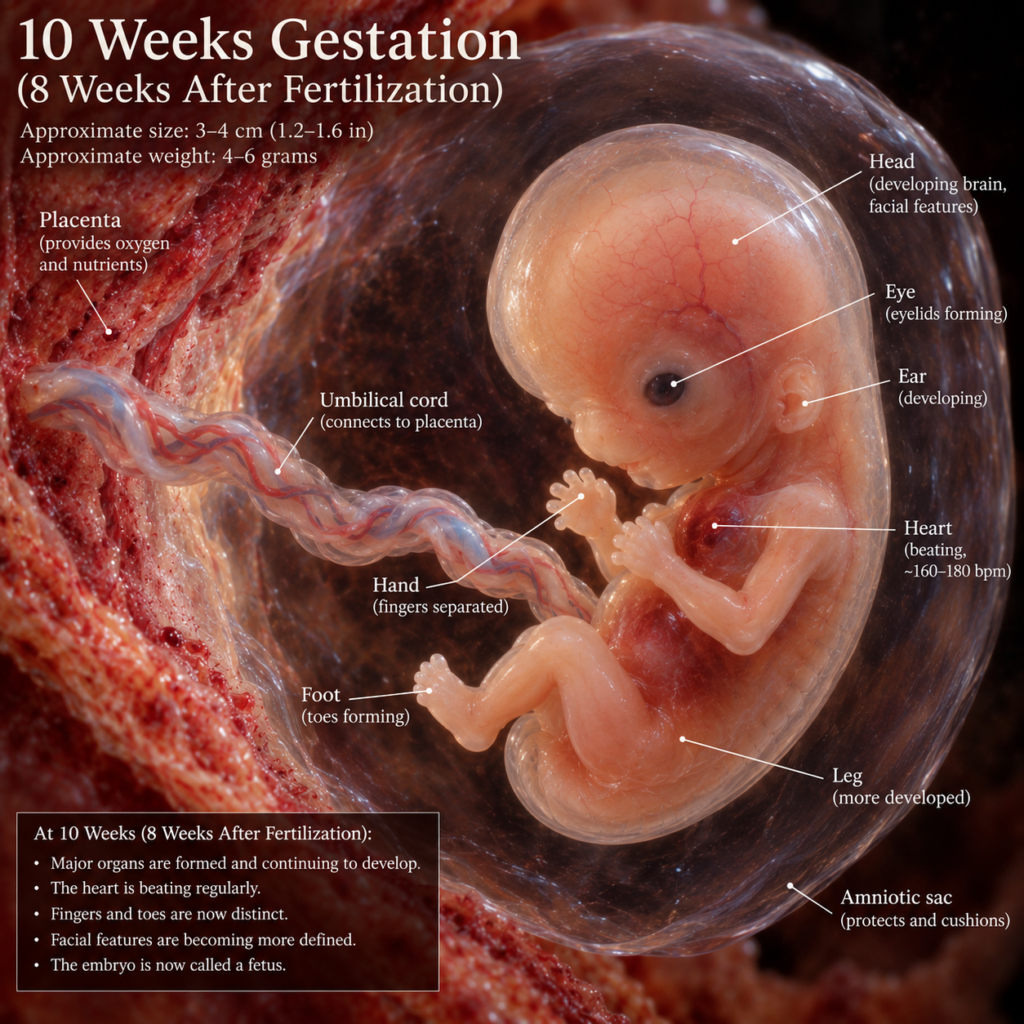
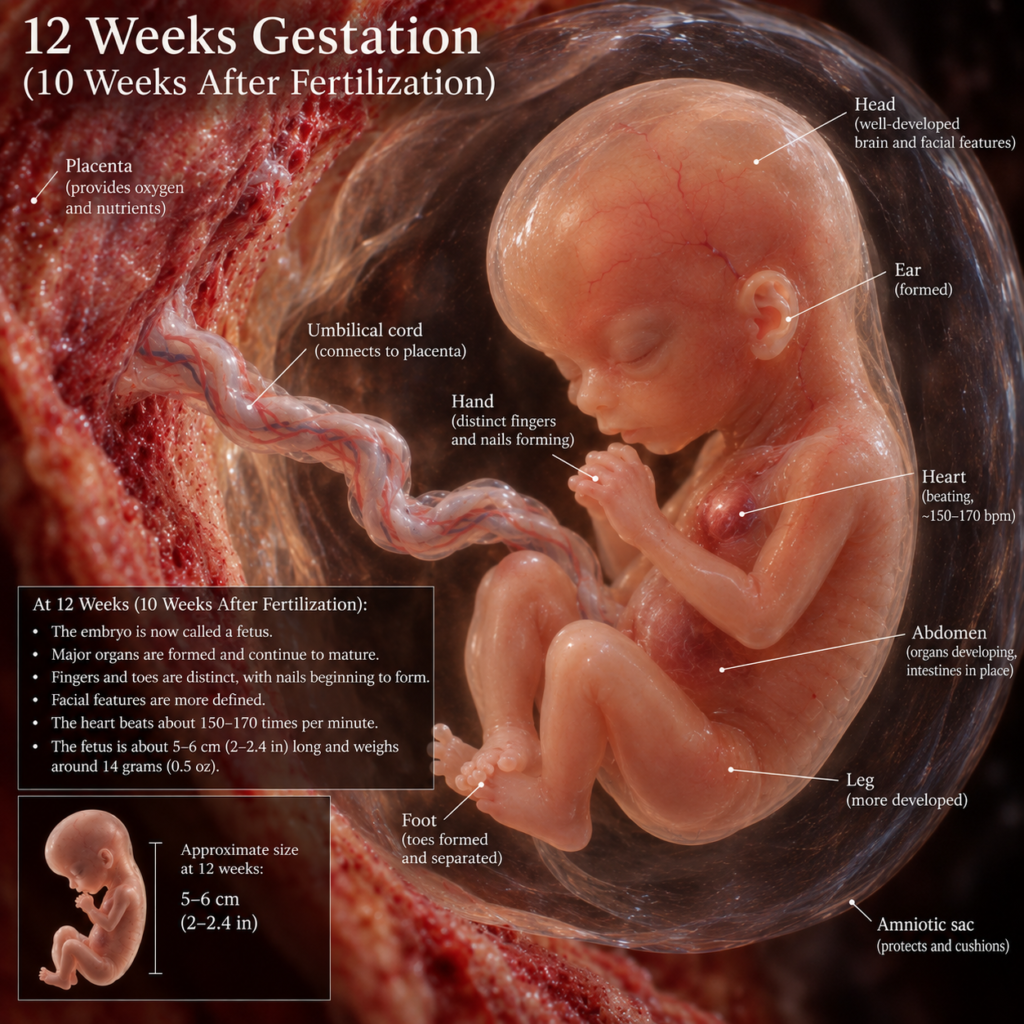
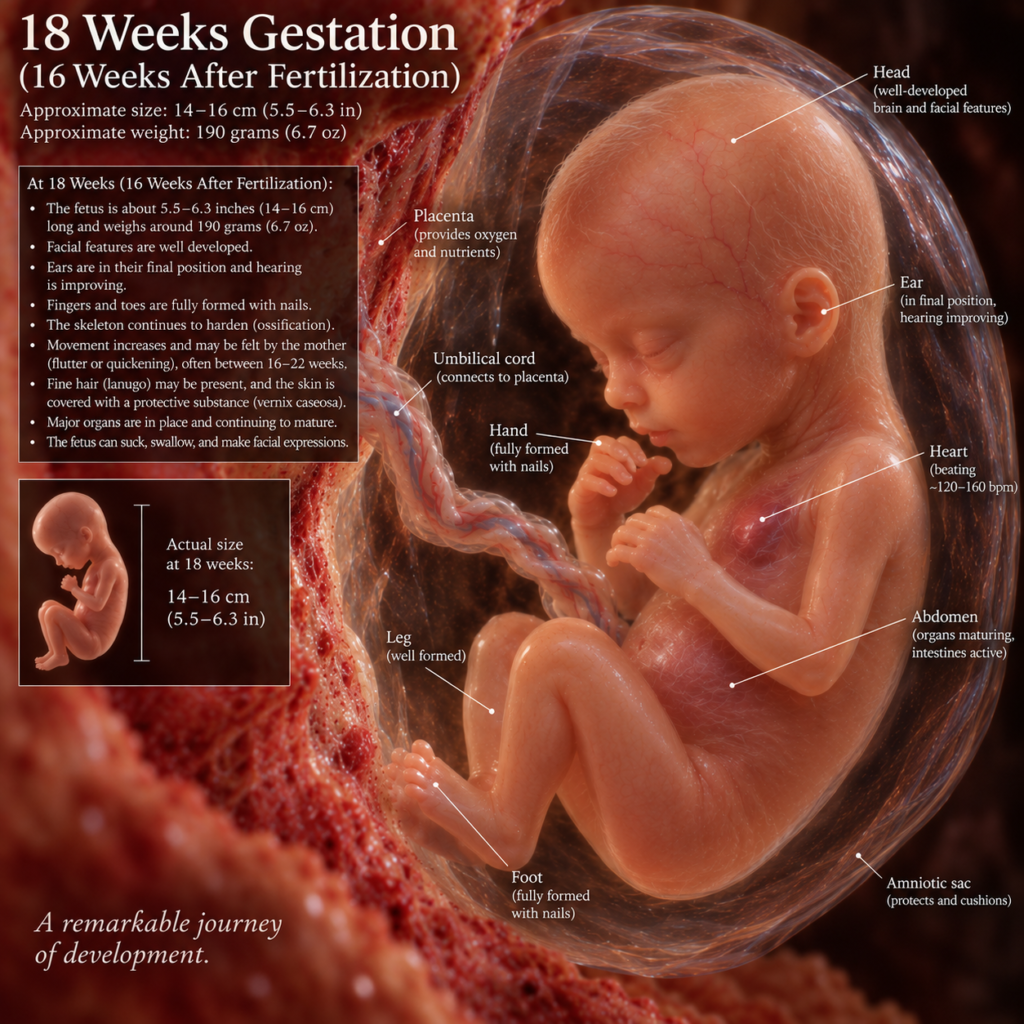
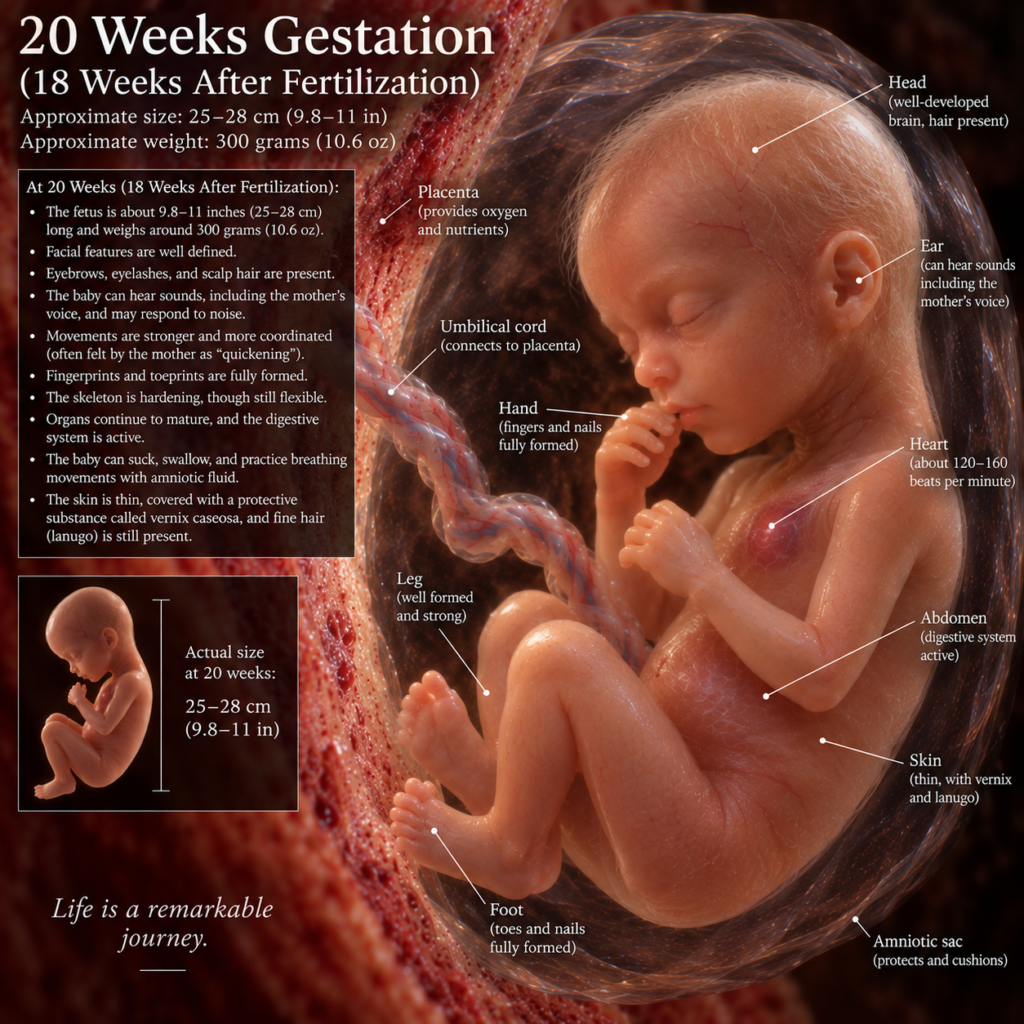
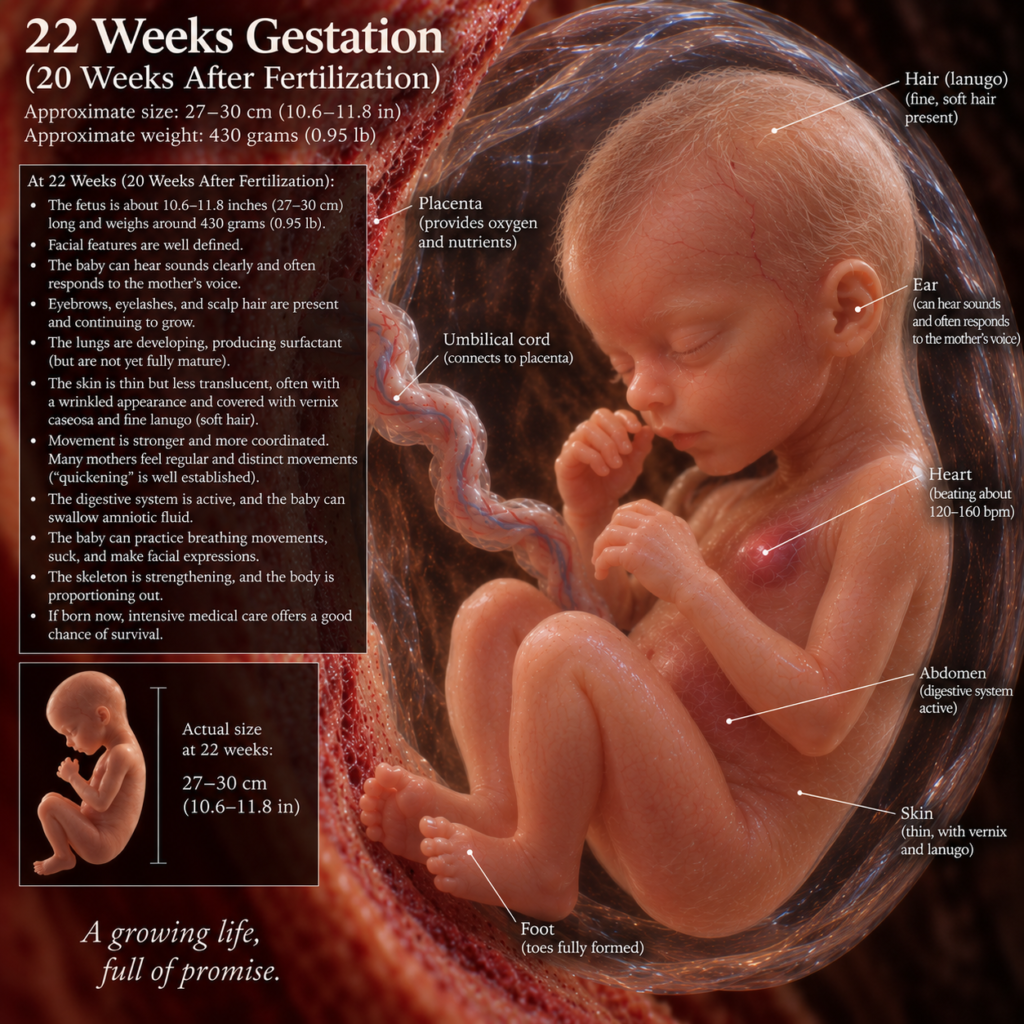
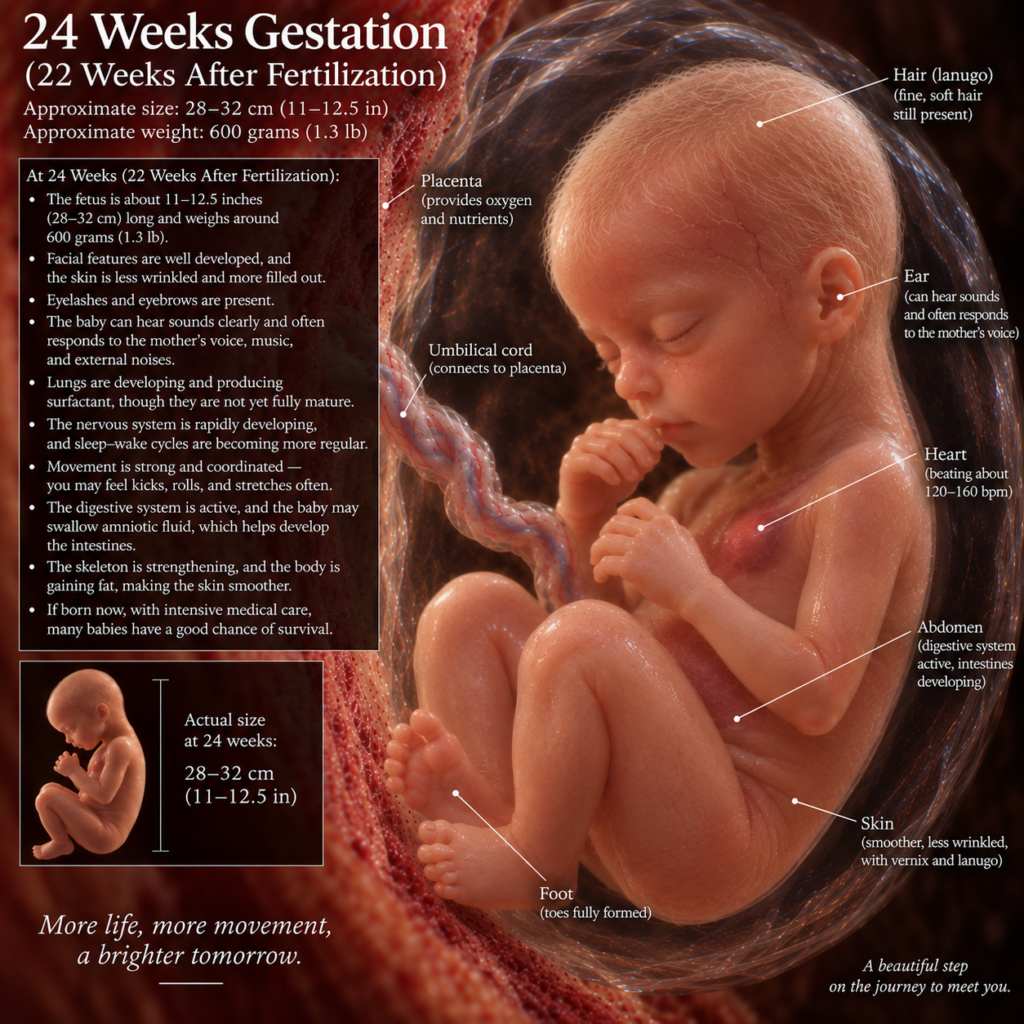
The Second Trimester (Weeks 13–27): Growth and Sensory Development
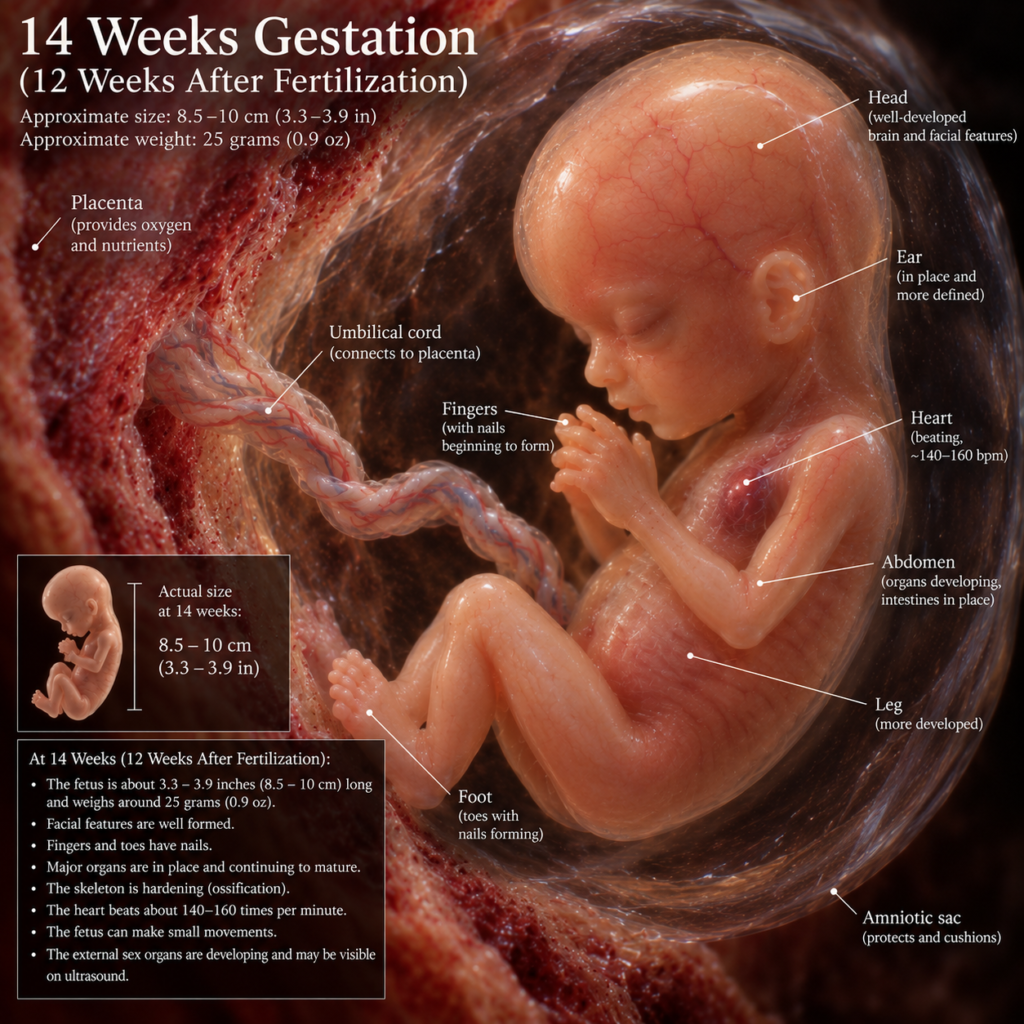
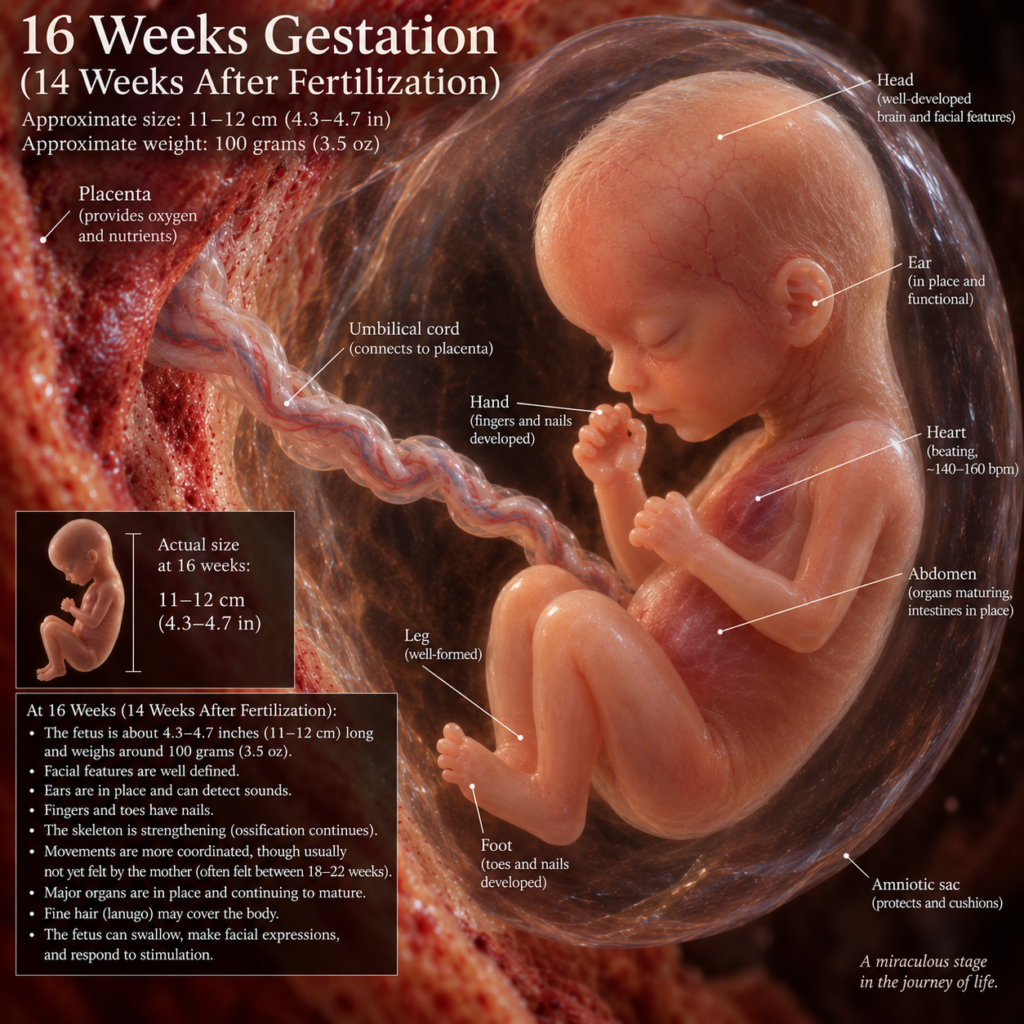
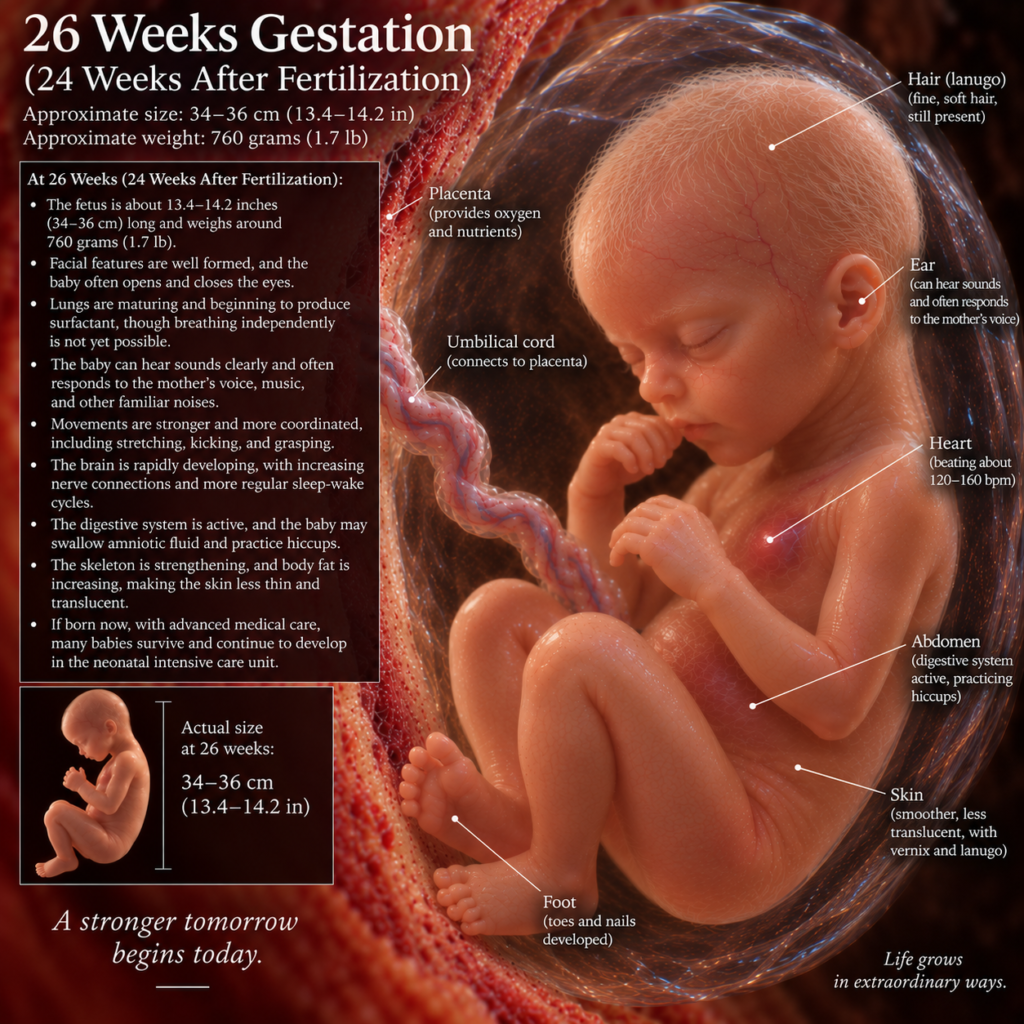
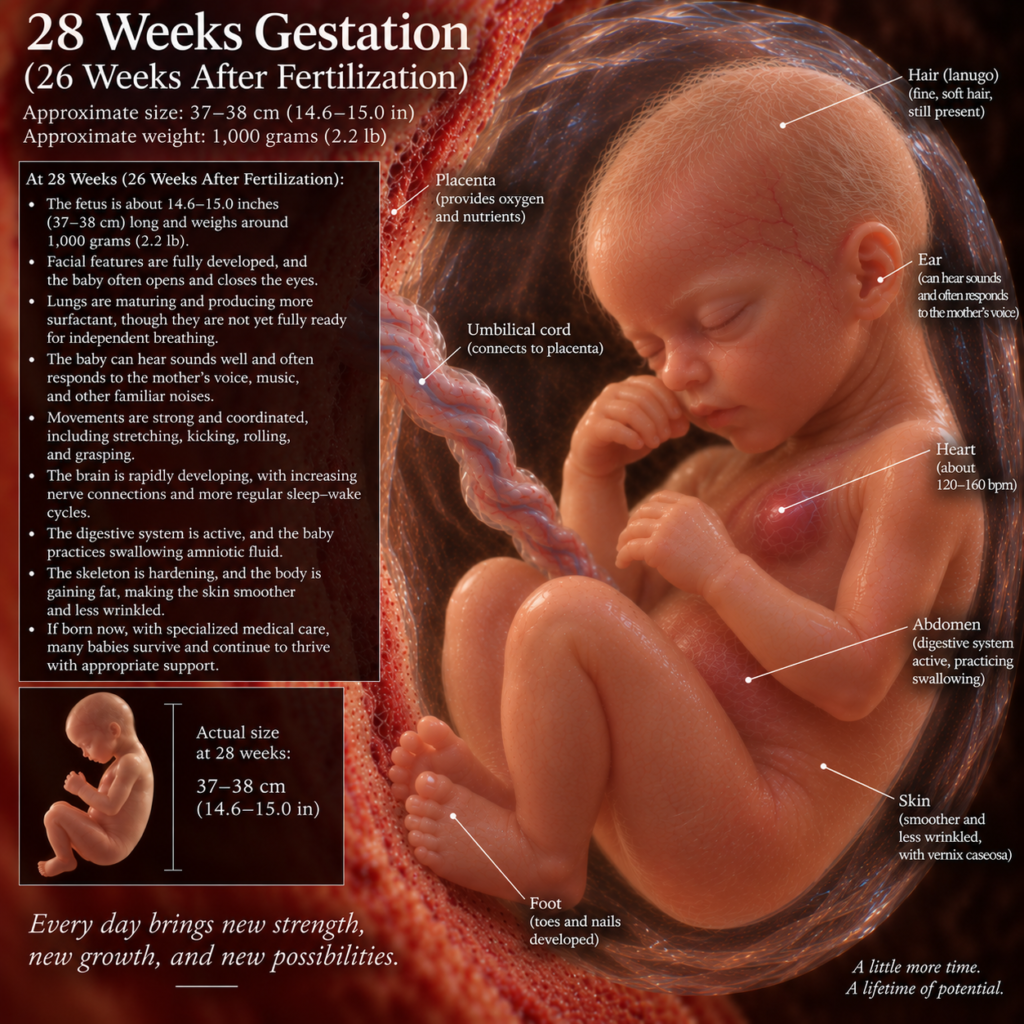
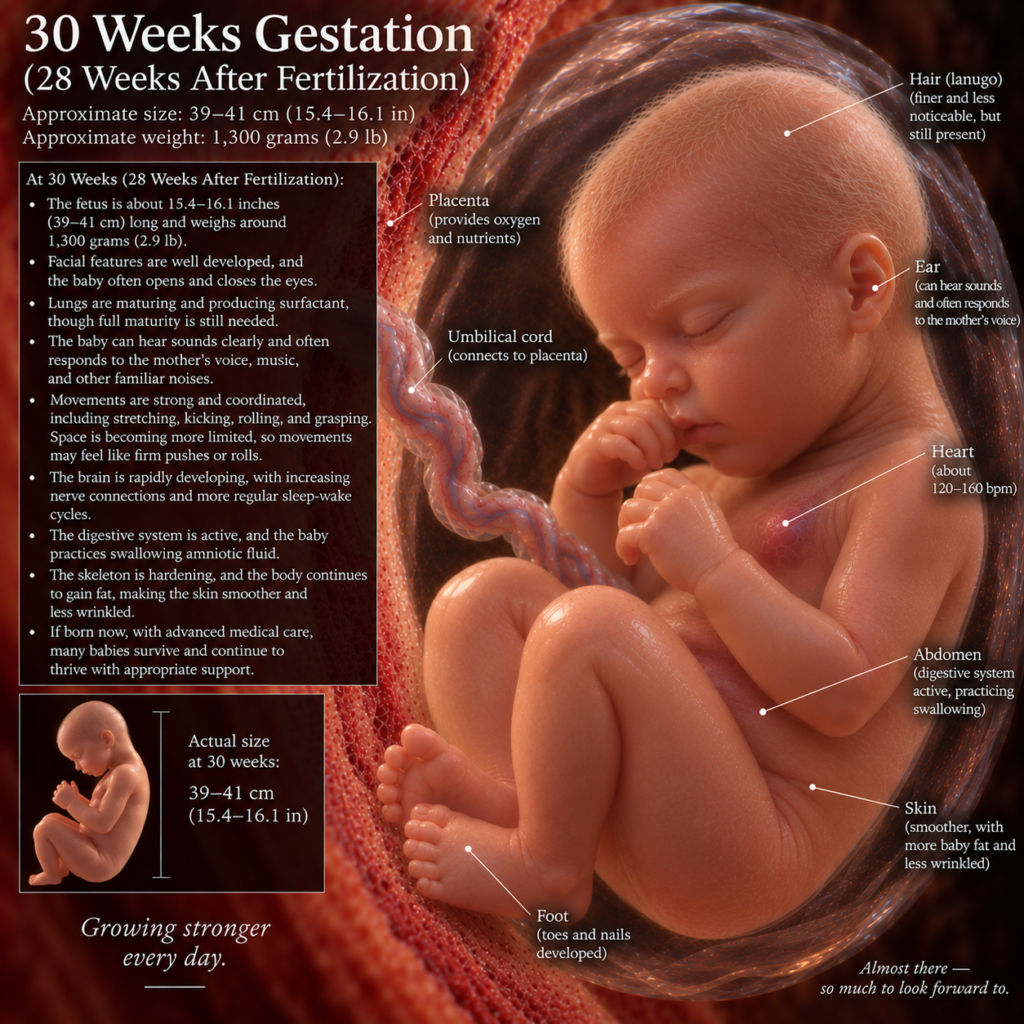
Third Trimester (Weeks 28–40): Maturation and Preparation for Birth
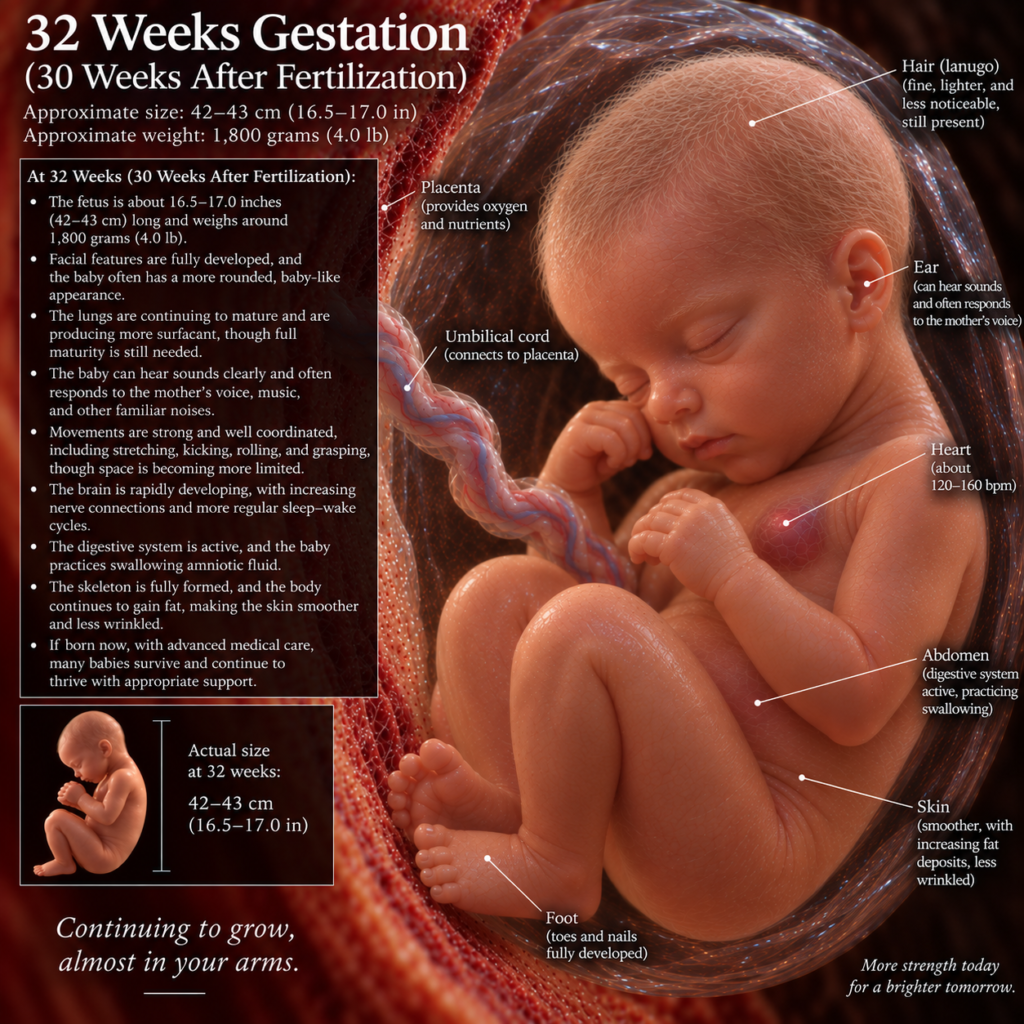
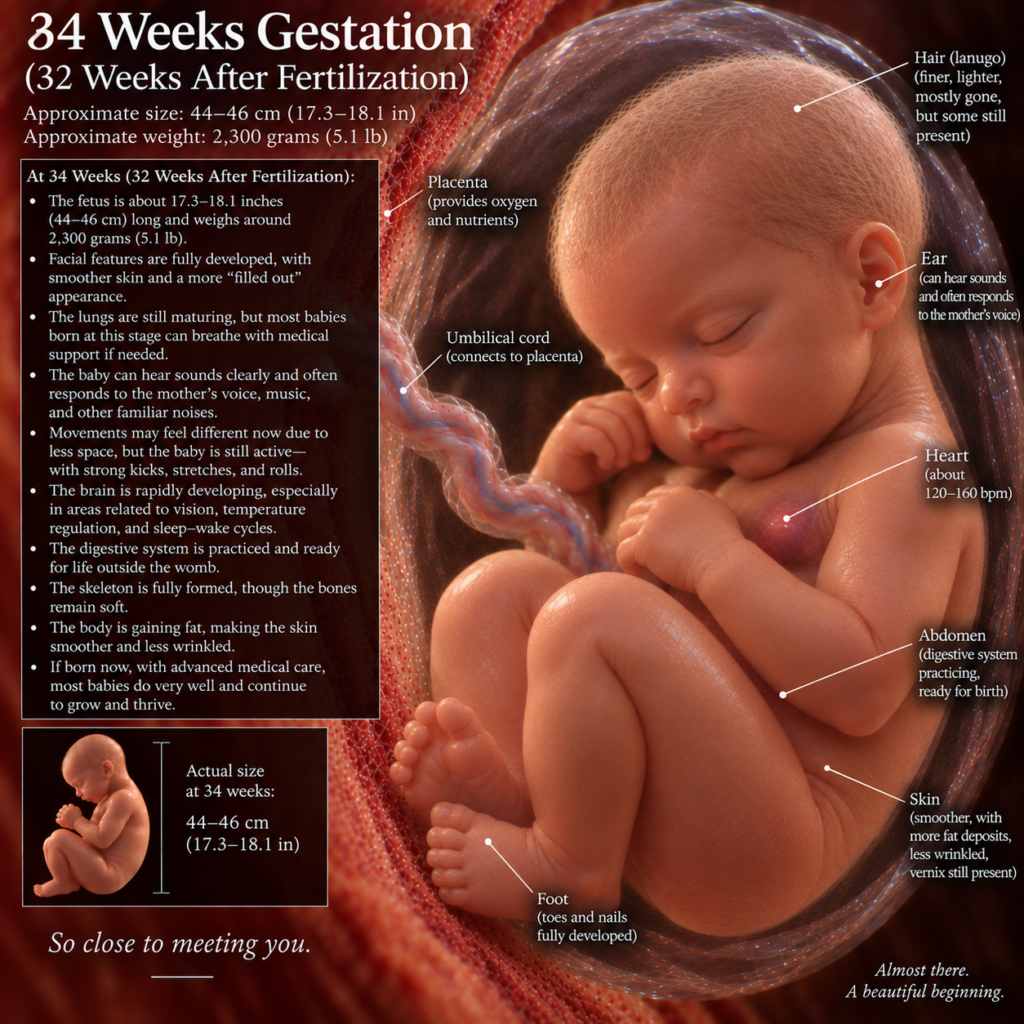
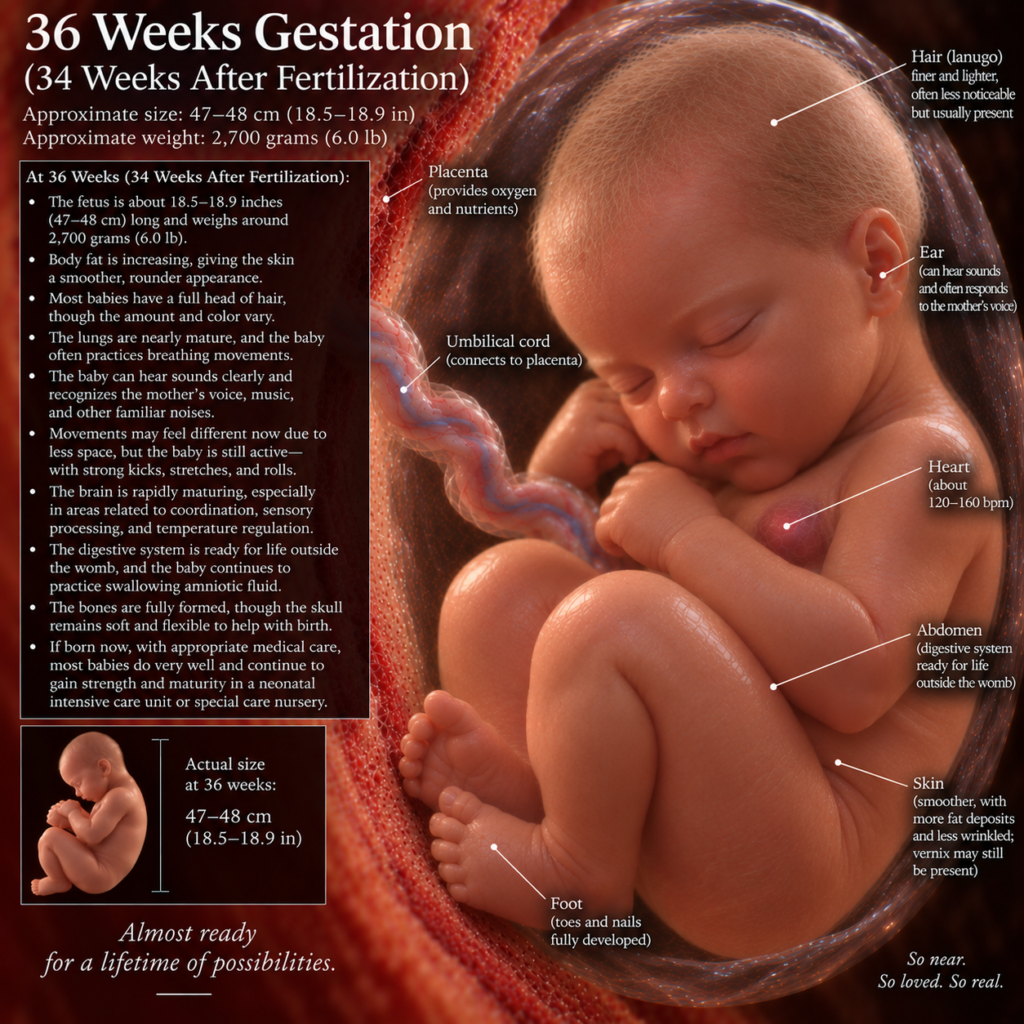
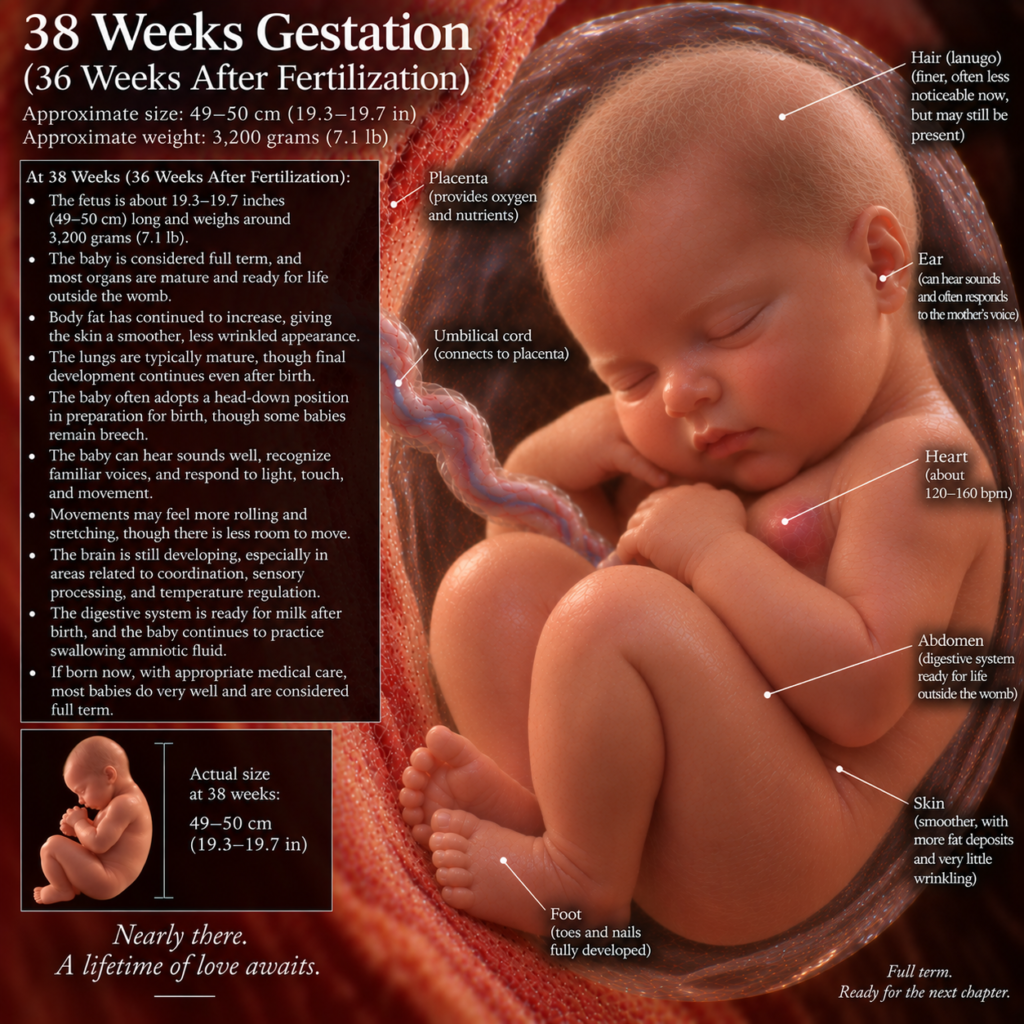
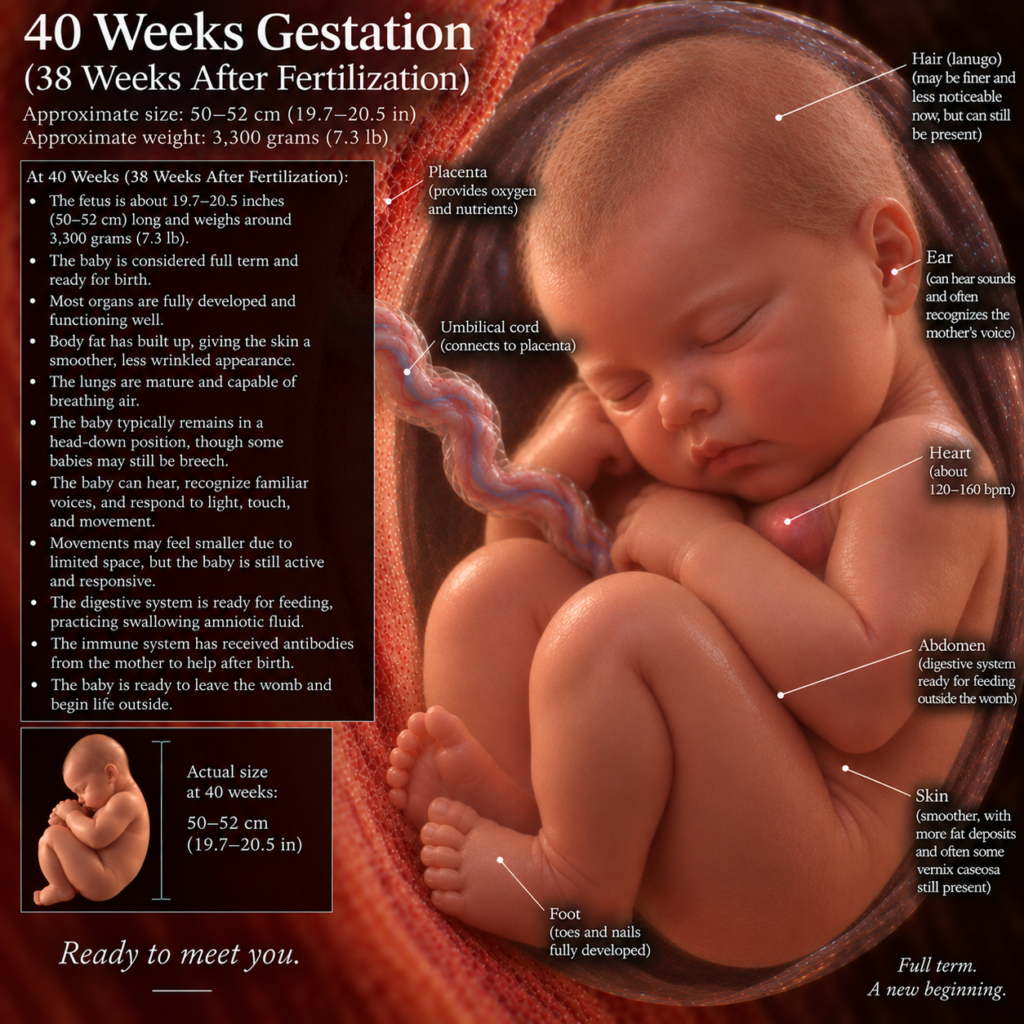
9 Months Later...

Summary Table
| Stage | Weeks | Developmental Term | Key Milestones |
|---|---|---|---|
| Pre-embryonic | 1–2 | Zygote / Blastocyst | Fertilization, implantation |
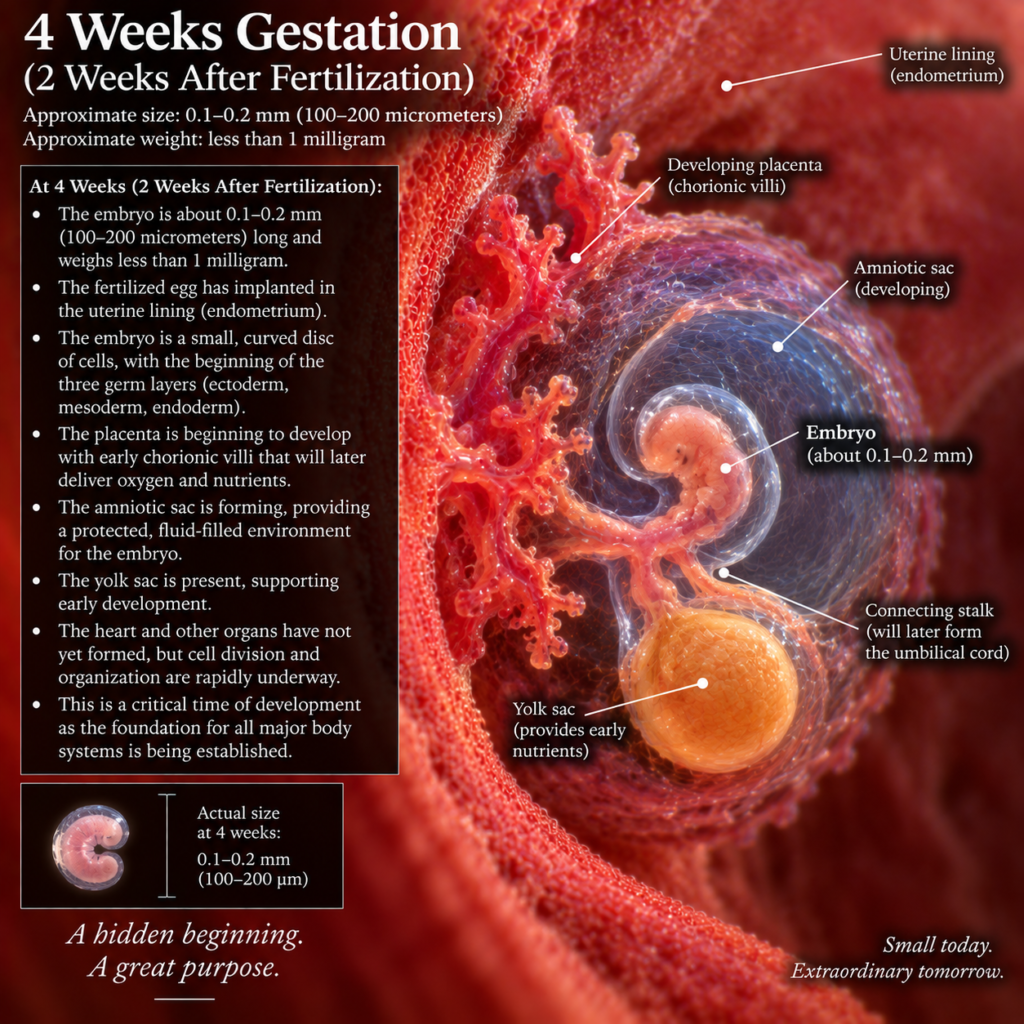
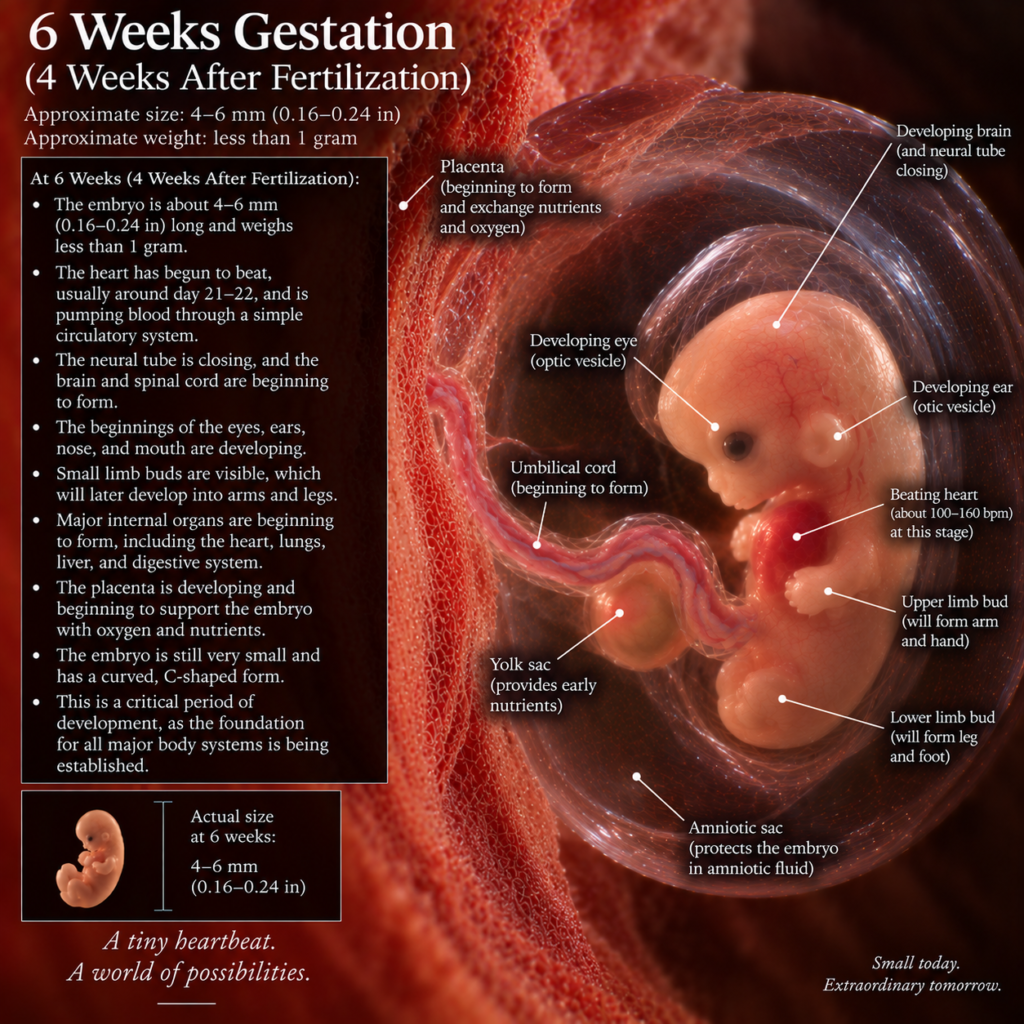
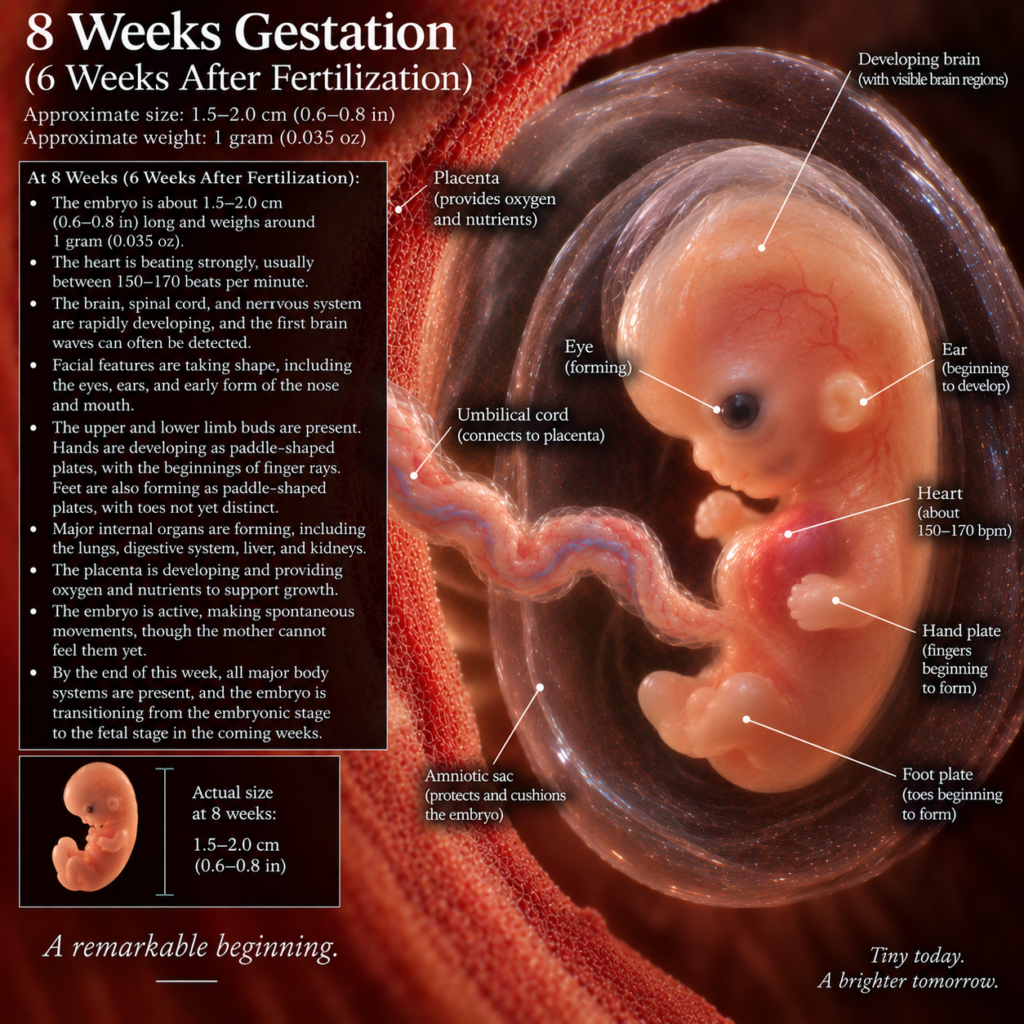
| Embryonic | 3–8 | Embryo | Organogenesis, neural tube, heartbeat |
| Early Fetal | 9–20 | Fetus | Organ function, movement, sensory formation |
| Late Fetal | 21–40 | Fetus | Growth, lung maturity, fat accumulation |
| Full Term | 39–40 | Newborn readiness | Birth preparation complete |